VTS communication scenarios
VTS operators must communicate clearly while monitoring traffic and anticipating risk. Simulation makes it possible to practise message structure, timing and escalation before a real incident compresses the available decision time.
For Wuhan Erun Technology Co., Ltd., the ERUN brand is strongest when simulation helps instructors explain why a decision worked, where risk appeared and how the next exercise should improve competence.
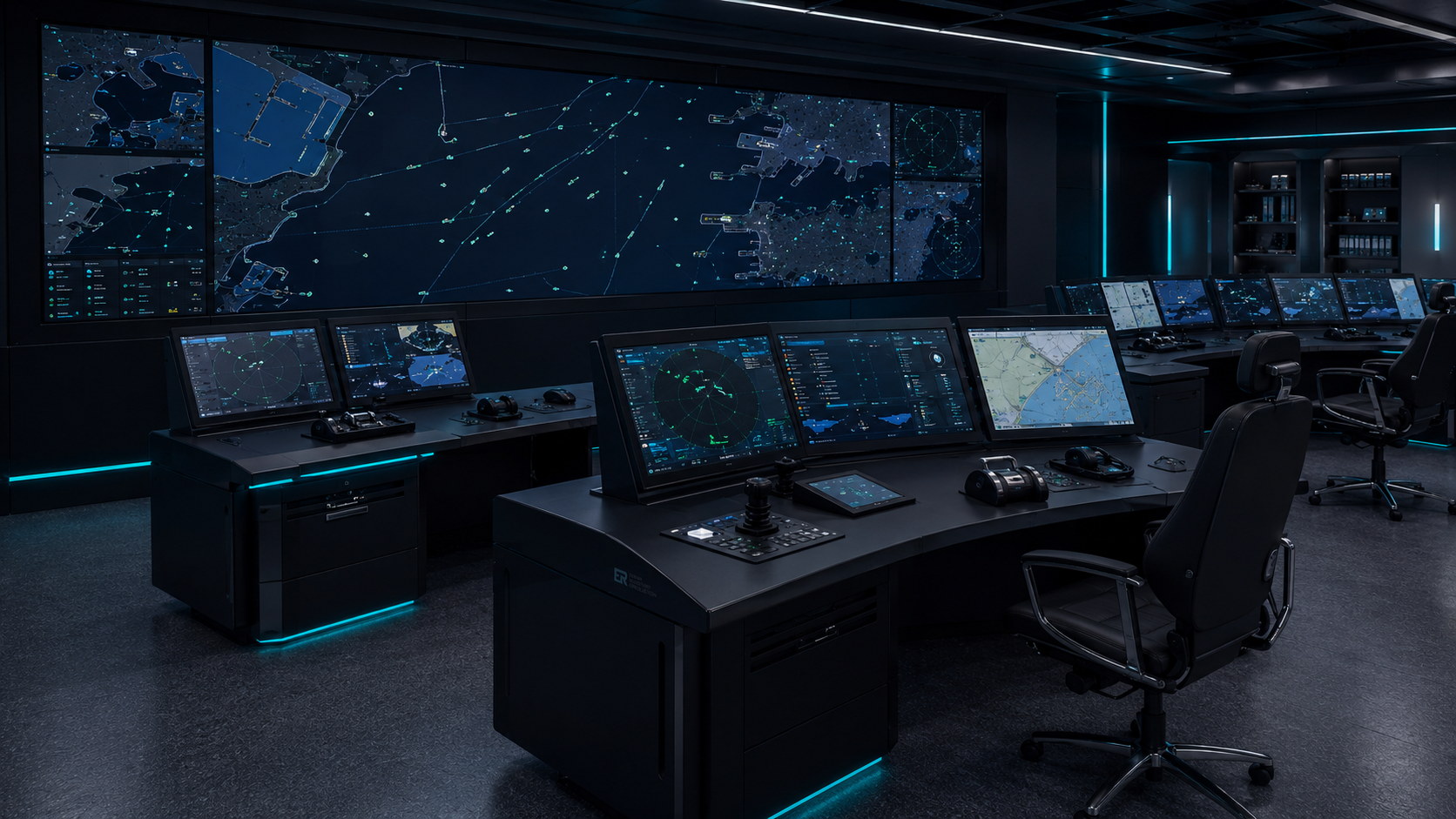
What the programme should cover
- Train routine traffic organisation before adding emergency pressure
- Include unclear vessel responses and radio congestion
- Review message clarity, timing and prioritisation after replay
- Connect communication discipline with traffic-risk judgement
ERUN perspective
ERUN designs simulator projects around instructor control, repeatable scenarios, trainee workload and post-exercise debriefing. The goal is to make each exercise visible, measurable and useful for the next training decision.
Operator confidence grows when communication practice is realistic, repeatable and reviewable.
Where it fits
This topic is relevant for maritime academies, ports, fleet training centres and organisations planning a simulator room, a specialist workstation lab or an integrated maritime training system.