New-energy vessel simulation
As vessels adopt electric, hybrid and alternative-fuel systems, crews need new mental models for energy flow, system limits and abnormal response. Simulation helps translate unfamiliar technology into operational practice.
At Wuhan Erun Technology Co., Ltd., ERUN approaches this topic as a practical simulator-design question: how to connect maritime scenarios, instructor workflow and measurable trainee behaviour in one usable training environment.
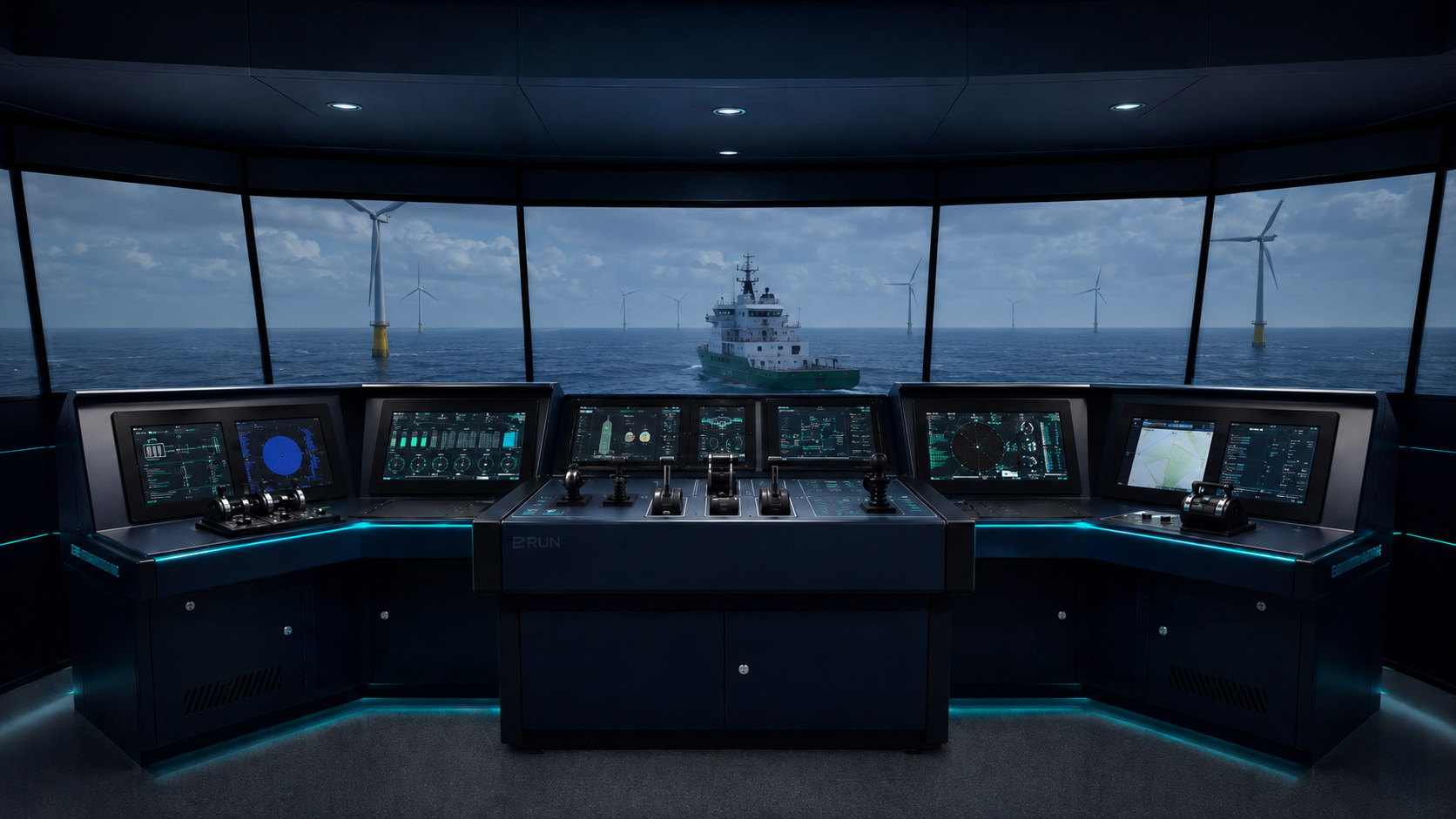
What the programme should cover
- Teach energy management and system-state awareness
- Practise abnormal conditions without equipment risk
- Connect bridge decisions with engineering constraints
- Support research, familiarisation and refresher courses
ERUN perspective
ERUN designs simulator projects around instructor control, repeatable scenarios, trainee workload and post-exercise debriefing. The goal is to make each exercise visible, measurable and useful for the next training decision.
New-energy simulation helps crews understand not just what changed, but how the change affects decisions.
Where it fits
This topic is relevant for maritime academies, ports, fleet training centres and organisations planning a simulator room, a specialist workstation lab or an integrated maritime training system.