Tanker cargo simulation
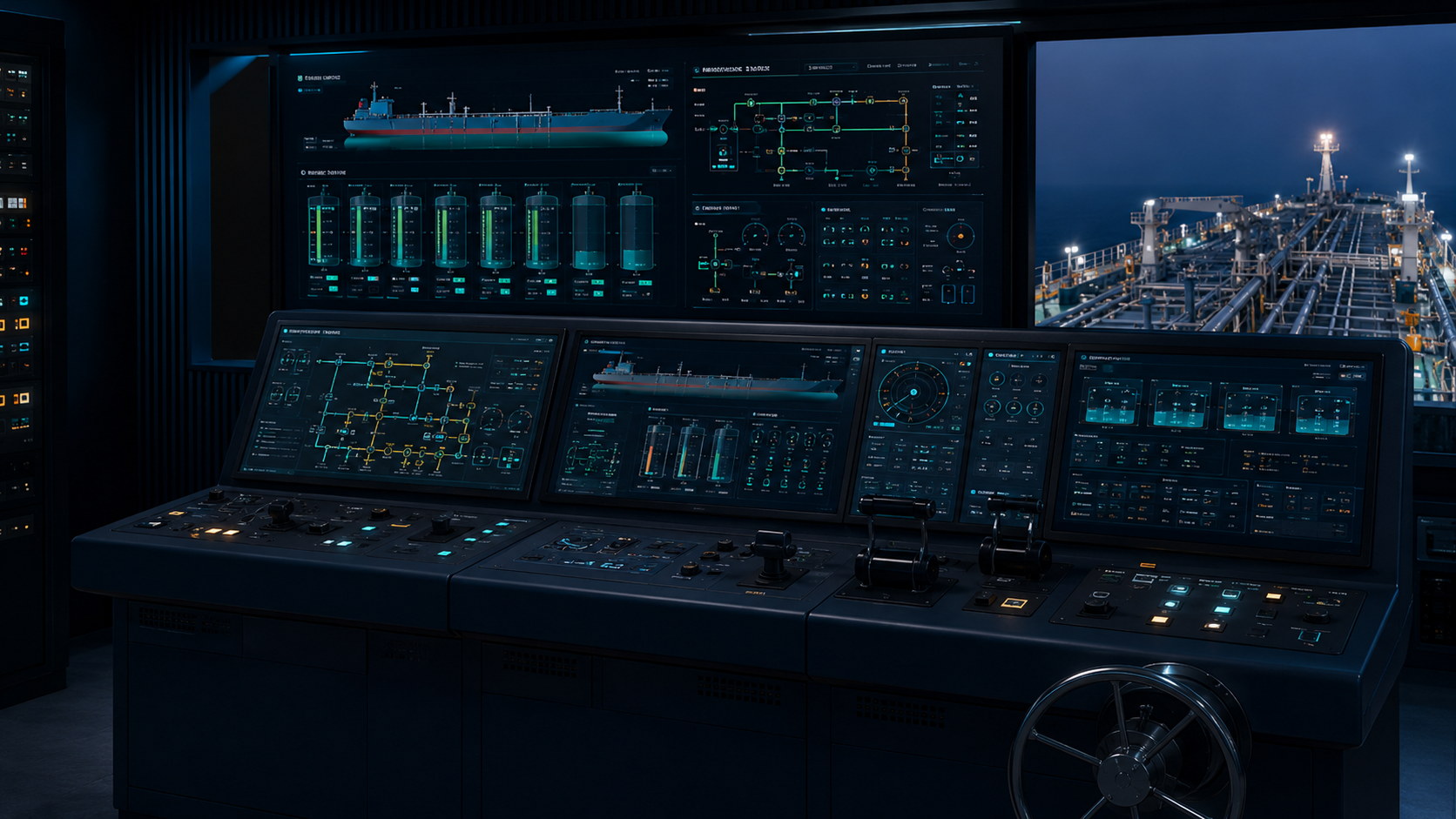
Tanker cargo operations involve planning, monitoring, communication and fast response to abnormal conditions. Simulation lets trainees connect panel actions with vessel condition and terminal coordination.
ERUN, developed by Wuhan Erun Technology Co., Ltd., uses this kind of training question to guide simulator configuration, from visual scenes and control logic to replay evidence and instructor decision support.
What the programme should cover
- Practise loading, discharge and ballast sequencing
- Monitor tank levels, alarms, valves and transfer rates
- Include terminal communication and permit-to-work context
- Review how small deviations affect stability and safety
ERUN perspective
ERUN designs simulator projects around instructor control, repeatable scenarios, trainee workload and post-exercise debriefing. The goal is to make each exercise visible, measurable and useful for the next training decision.
Cargo simulation makes hidden system relationships visible before trainees work around real cargo.
Where it fits
This topic is relevant for maritime academies, ports, fleet training centres and organisations planning a simulator room, a specialist workstation lab or an integrated maritime training system.